Can Financing Really Help You Get a New Roof Without Draining Your Savings?
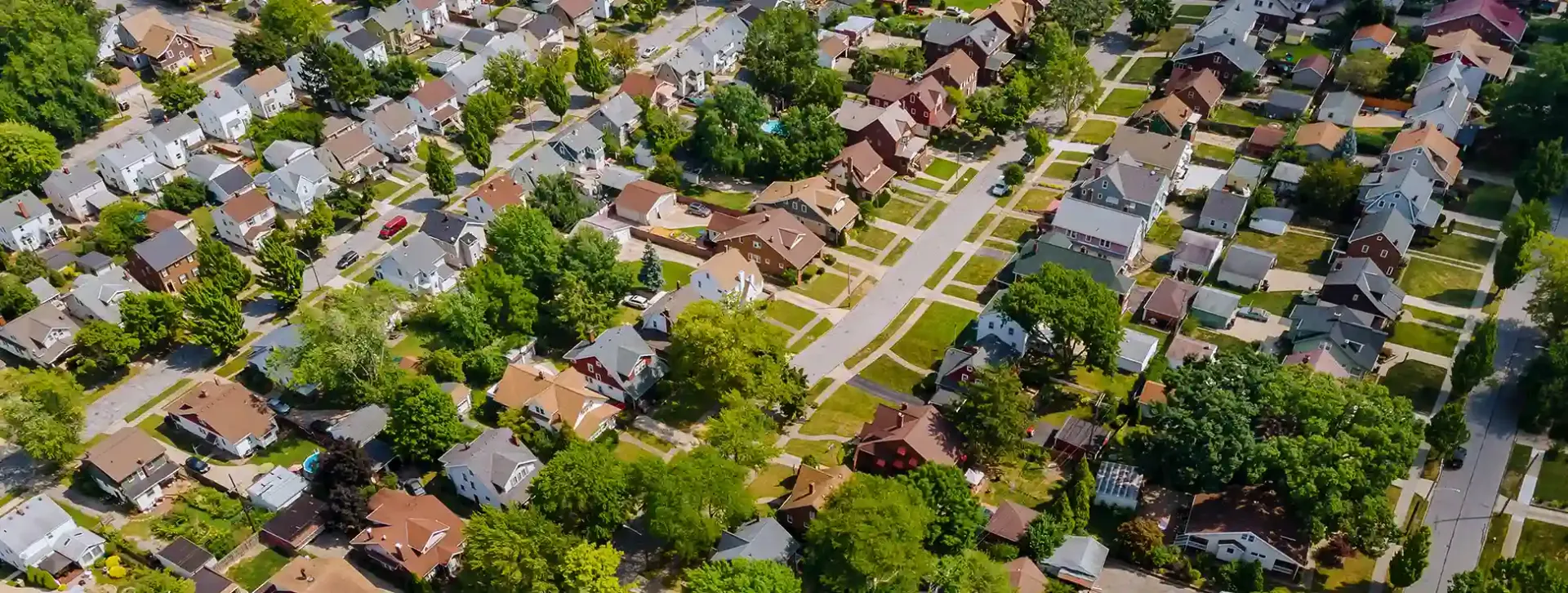
A new roof is a major investment, but paying for it does not have to mean draining your emergency fund. For many North Texas homeowners, the right payment strategy can make an urgent roof replacement manageable while protecting the rest of the household budget.
The key is understanding your real project cost, insurance contribution, financing terms, and total repayment amount before signing anything.
Whether you are comparing roof replacement Dallas TX options, looking for roof repair Fort Worth, or researching reputable DFW roofing contractors, this guide will help you evaluate your choices clearly.
Important: Financing terms, rates, fees, and approval decisions come from the lender or financing provider. RUOFF Roofing & Restoration does not promise specific financing terms or approval. Our role is to provide an itemized, no-surprises estimate and help you understand the project scope.
Start with the real cost of your roof
In 2026, a typical asphalt-shingle replacement in the Dallas–Fort Worth area may fall broadly between $9,500 and $18,000, with many standard residential projects landing somewhere in the low-to-mid teens. Larger homes, complex roof designs, steep pitches, decking repairs, impact-resistant shingles, and metal roofing can increase the total.
These numbers are only planning ranges. Your actual price depends on:
- Roof size, pitch, and design
- Existing layers that must be removed
- Shingle or roofing material selected
- Flashing, ventilation, and decking needs
- Storm damage or code-related work
- Property type and access requirements
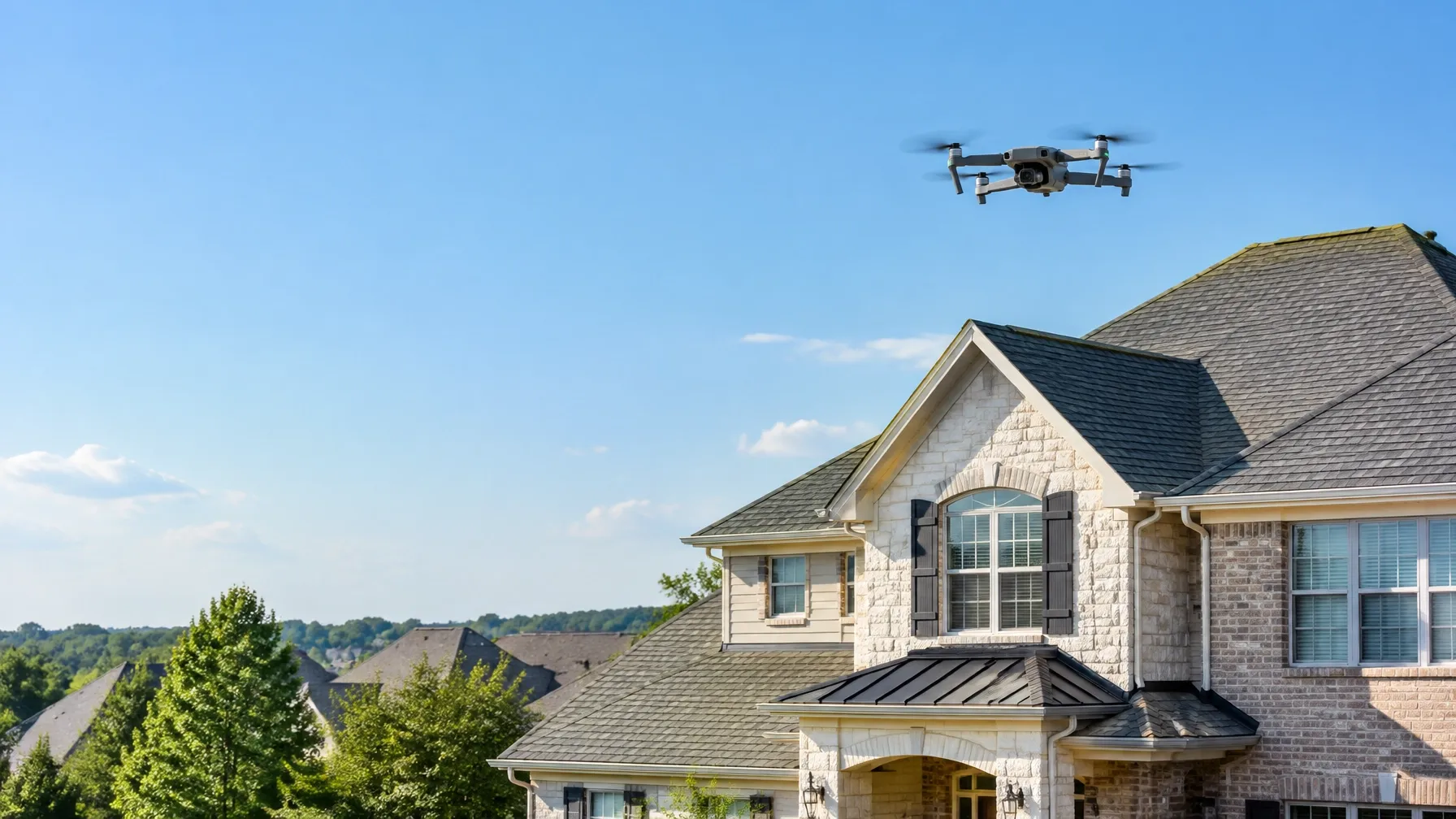
For a clearer starting point, review our roof replacement services, then schedule a free roof inspection. RUOFF uses modern inspection tools, including professional drone inspections, to document your roof and identify issues before they become more expensive.
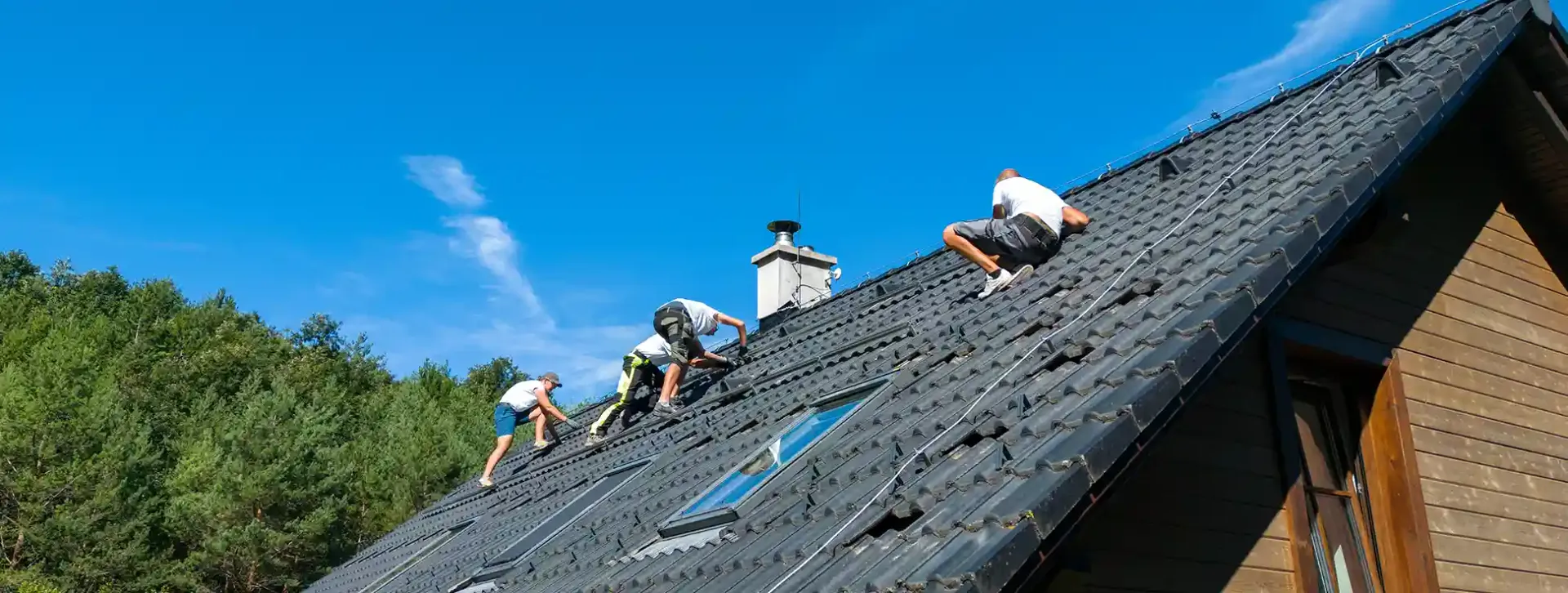
Four common ways to pay for a new roof
1. Pay cash
Paying cash is usually the simplest option if you can cover the project without affecting your emergency savings or other priorities.
Advantages:
- No interest charges
- No lender fees
- No monthly payment
- Immediate control over the project budget
The downside is that a roof can use a significant portion of your available savings. Avoid emptying your reserves simply to avoid borrowing. Your roof matters, but so does your ability to handle future home, medical, or family expenses.
2. Use monthly financing or an installment plan
A personal loan, home-improvement loan, or contractor-arranged financing may allow you to spread the cost over predictable monthly payments.
This can make sense when you need to address an active leak, storm damage, or a failing roof but want to keep cash available. However, compare the complete offer, not just the payment shown in large numbers.
Review the:
- APR
- Loan term
- Origination or dealer fees
- Fixed versus variable rate
- Promotional period details
- Prepayment rules
- Total amount repaid
Some promotional plans may change after an introductory period. Others may involve deferred interest if the balance is not paid by a certain deadline. Read the agreement carefully and ask for plain-language explanations before proceeding.
You can learn more about general project-payment options on RUOFF’s financing information page. Available programs and terms can change, and any lender, not RUOFF, makes the final financing decision.
3. Use a home equity loan or HELOC
A home equity loan provides a lump sum, often with a fixed payment schedule. A home equity line of credit, or HELOC, allows you to draw funds as needed, usually with a variable rate.
These options may offer competitive pricing for homeowners with sufficient equity and strong financial qualifications. They can also involve closing costs, underwriting, appraisal requirements, or a longer approval process.
Most importantly, these are secured by your home. Understand the risks, rate structure, repayment schedule, and long-term cost before using home equity for a roof project.
4. Use an approved insurance claim
If your roof has covered hail or wind damage, an approved insurance claim may cover most of the eligible restoration cost. You will typically remain responsible for your policy deductible and any items the policy does not cover.
Your out-of-pocket amount may include:
- The wind or hail deductible
- Non-covered upgrades
- Certain ventilation or code-related items
- Improvements beyond the approved scope
- Work unrelated to the covered damage
Insurance coverage depends on your policy, the cause of loss, exclusions, limits, and the insurer’s adjustment. Ask your insurance company for the approved scope and payment details, and keep your contractor’s estimate separate and itemized.
RUOFF can help document storm-related roof conditions through our hail damage roofing services, but we do not determine coverage or promise claim outcomes.
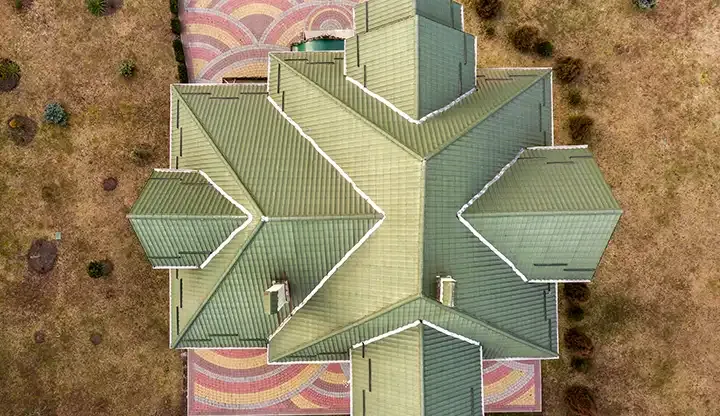
Compare total borrowing cost, not just the monthly payment
A lower monthly payment can look attractive while costing significantly more over time. Compare every offer using the same basic information.
APR versus interest rate
The interest rate shows the borrowing charge, while the APR may also reflect certain fees. When comparing lenders, APR is often the more useful figure.
Term length
A longer term lowers the monthly payment but usually increases the total interest paid. A shorter term raises the payment but may reduce the overall cost.
Dealer or origination fees
A lender may charge an origination fee. Contractor-arranged financing may also involve a dealer fee that affects the project price. Ask whether the roof price changes depending on how you pay.
Prepayment penalties
Confirm whether you can pay the balance early without a penalty or minimum-interest requirement. Flexibility can be valuable if you receive an insurance payment, bonus, or other funds later.
Fixed or promotional-then-variable rates
Ask whether the rate stays fixed for the full term. If there is a promotional period, confirm what happens afterward, when the new rate begins, and how the payment may change.
Illustrative monthly payment example
The following example is for education only. It is not a RUOFF offer, quote, rate, or approval estimate.
Assume:
- Project amount financed: $15,000
- Illustrative fixed APR: 10%
- No taxes or fees included
| Term | Approximate monthly payment | Approximate total repaid | Approximate interest |
|---|---|---|---|
| 5 years | $319 per month | $19,140 | $4,140 |
| 10 years | $198 per month | $23,760 | $8,760 |
The 10-year option reduces the monthly payment by about $121, but the longer term adds roughly $4,600 in interest in this simplified example.
That is why the best choice is not automatically the payment with the smallest monthly amount. Choose a payment that fits your budget while keeping the total borrowing cost reasonable.
When financing genuinely makes sense
Financing may be a practical solution when:
- An active leak or storm damage requires prompt attention
- Delaying could affect ceilings, insulation, drywall, or other parts of the home
- You need to preserve emergency savings
- An insurance claim covers most of the project, leaving a deductible or gap
- You qualify for a clear, fixed-rate option with a manageable total cost
- Replacing the roof protects the home’s condition and value
The goal is not to borrow for the sake of borrowing. It is to address an important property need without creating unnecessary financial strain.
When financing may not make sense
Consider waiting or choosing a smaller repair when:
- The issue is cosmetic and can safely be deferred
- You would need a very high-rate loan
- The monthly payment would crowd out essential expenses
- You have not compared the total cost of multiple offers
- The project scope is unclear
- You are borrowing for upgrades that are not currently necessary
A professional inspection can help separate an urgent roof problem from a condition that can be monitored or repaired. RUOFF provides a free, no-obligation roof inspection so you can make that decision with better information.
Ask these five questions before signing
- What is the total amount I will repay, including every fee?
- Is the APR fixed for the entire term, or can it change later?
- What happens when the promotional period ends?
- Can I pay the loan early without a penalty or extra interest requirement?
- Does the financed project price differ from the cash or insurance-based price?
Also ask for an itemized roofing estimate that clearly identifies labor, materials, tear-off, decking allowances, ventilation, cleanup, and any optional work.
Get a clear estimate before choosing a payment plan
At RUOFF Roofing & Restoration, we start with the roof, not the financing conversation. Our family-owned team has 25+ years of industry experience serving residential, commercial, and multi-family properties across North Texas and the DFW area.
You receive a straightforward project scope, transparent pricing with no hidden costs, top-quality material options, and fast communication from start to finish. Whether you need a replacement, roof repair, hail restoration, solar installation, or remodeling support, we will help you understand the practical next step.
Start with a free roof inspection today
Do not let uncertainty about cost keep you from addressing a roof that needs attention. Schedule your free inspection, review your itemized estimate, and compare your payment options carefully.
Call 972-430-3948, visit www.ruoffroofing.com, or email seth@ruoffroofing.com to get started.
You can also find current company updates through Facebook and Instagram.
A new roof is a major decision, but the process can be simple, clear, and manageable when you know the numbers. Contact RUOFF Roofing & Restoration today and let our experienced team help you move forward with confidence.