Ponding water
Water that remains after a storm can point to drainage, slope, or surface issues that need review.
Home › Services › Flat roofing
Flat and low-slope roofs depend on seams, penetrations, edges, and drainage working together. RUOFF helps find weak points and plan the right response.
Water management first
Flat roof repair Dallas TX property owners need often starts with water movement. We assess the roof surface, seams, drains, scuppers, penetrations, edge metal, and nearby equipment to understand where moisture may be getting in.
Common trouble spots
Water that remains after a storm can point to drainage, slope, or surface issues that need review.
Separated seams, lifted edges, and damaged transitions can give rain a path below the roof surface.
Vents, curbs, pipes, and rooftop equipment create details that must remain sealed as the system ages.
A practical sequence
Map: We review the roof field, drainage routes, details, and the locations where water has appeared.
Prioritize: We separate active exposure from maintenance items and identify what could worsen with another storm.
Repair or replace: We explain the scope that matches the system’s condition and the property’s needs.
Commercial and North Texas conditions
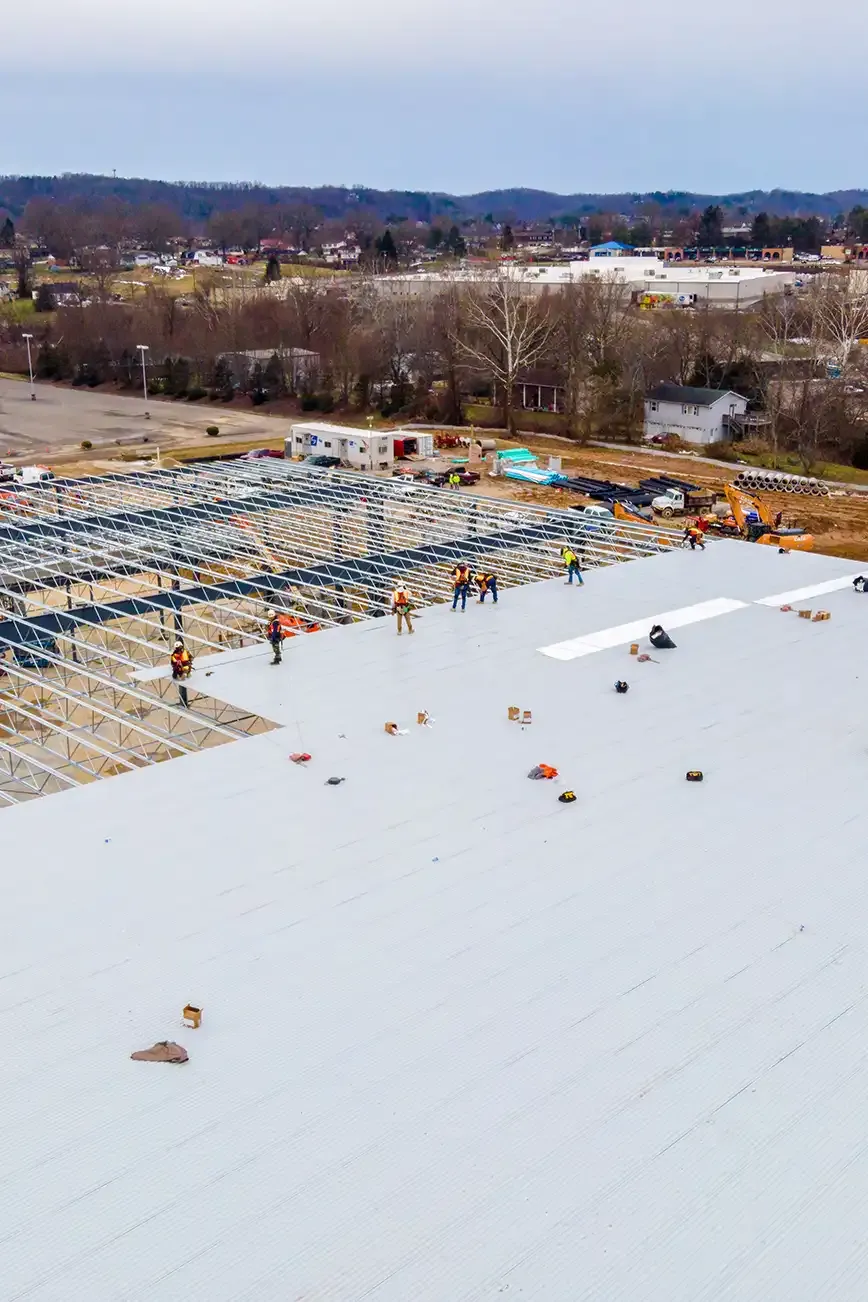
Intense rain tests drainage capacity, while heat and rooftop equipment add stress to seams and penetrations. Flat roofs also support the day-to-day needs of many commercial spaces, making early attention especially useful.
For broader building needs, visit commercial roofing. If the cause is not clear, schedule a roof inspection.
Tell RUOFF what your low-slope roof is doing, and we’ll help you choose a practical next step.